
Stoicism is the belief that we should try to be serene and rational. It seems totally alien to our hyper-emotional culture, where people can get rich by crying and complaining without actually doing anything worthwhile.
A crucial part of stoicism is to distinguish between what we can control and what we can’t control. To get upset about what we can’t control is a waste of time and energy. We should focus instead on what we can control.
The two most famous Stoics were Marcus Aurelius, who was a Roman emperor, and Epictetus, who was a Greek slave. Epictetus wrote that:
“Of all existing things, some are in our power, and others are not in our power. In our power are thought, impulse, and the will to acquire or avoid. Things not in our power include the body, property, reputation, office, and everything that is not our own doing.” (The Manual of Epictetus)
It’s easy for us in 2024 to romanticize the Roman Empire. It embodied order, manly virtues, and great achievements. But it also embodied the heartbreak and cruelty that are too often the default setting of human society. Stoicism provided a way to cope with those harsh realities.
Marcus Aurelius offered inspiring advice: “While you live, while it is in your power, be good. A person can avoid a lot of trouble if he does not look to see what his neighbor says or does or thinks, but only to what he does himself, that his own actions are just and pure.” (Meditations IV, 17-18)
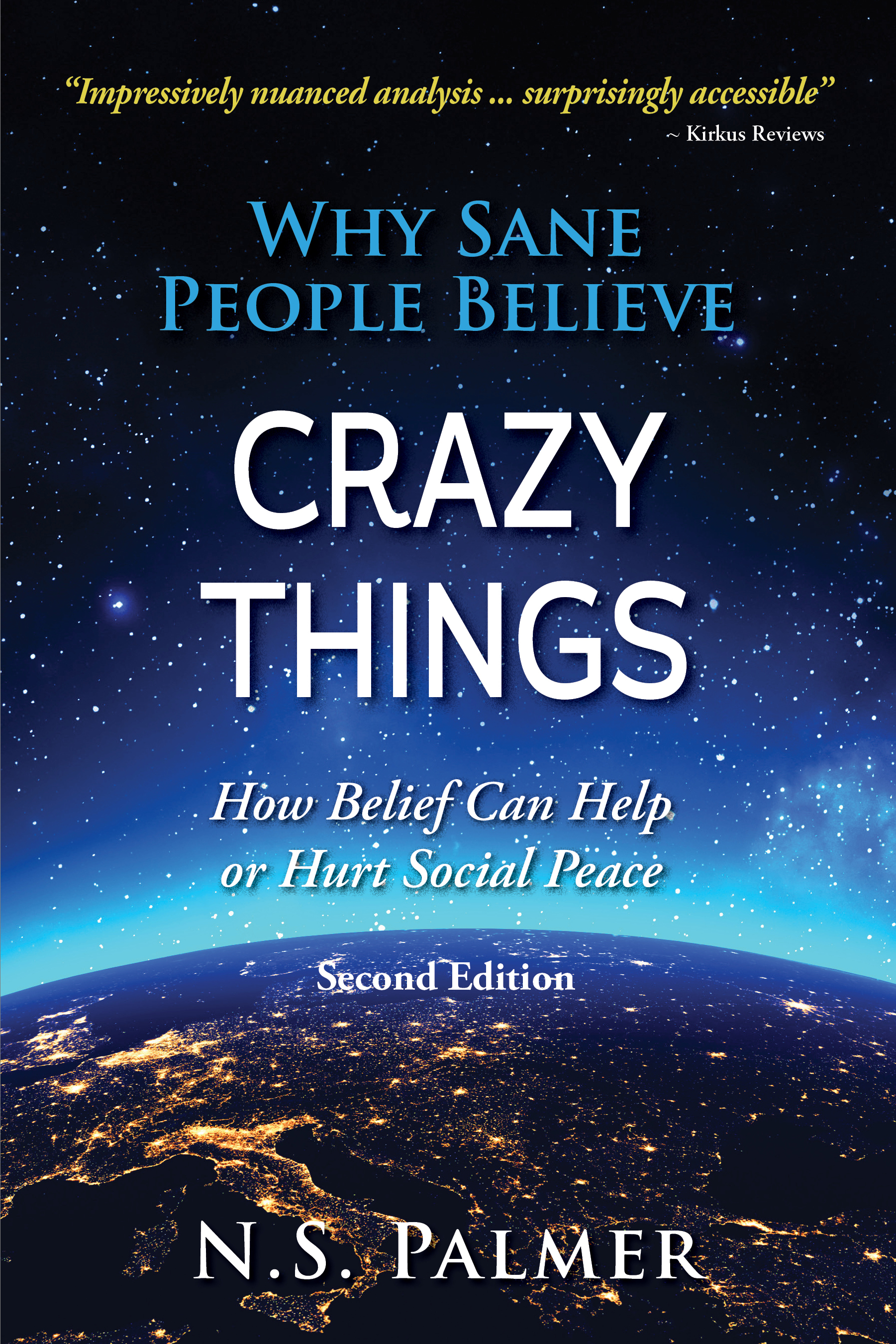
How to stay serene and rational is a key idea in my book Why Sane People Believe Crazy Things, whose second edition will be released on October 29.





 The Thousand-Year View