
Four deadly errors creep into most debates about social policy. They are the moralistic fallacy, the realistic fallacy, the rationalistic fallacy, and the existentialist fallacy:
- The moralistic fallacy: morality determines reality. This fallacy assumes that whatever seems morally desirable must be true. If something is undesirable, it must be false. This fallacy is most often committed by the political left.
- The realistic fallacy: reality determines morality. This fallacy assumes that whatever seems true must be moral. This fallacy is most often committed by the political right.
- The rationalistic fallacy: if it seems to make sense, then it’s true. This fallacy assumes that whatever seems to make sense must be true, even if there’s no evidence for it. This fallacy is most often committed by college students debating in the dormitory late at night, but others commit it as well. A joke says if you show economists that something works in practice, they object: “Yes, but does it work in theory?”
- The existentialist fallacy: if you want it to be true, then it is. This fallacy assumes that reality is whatever you want it to be. It is loosely suggested by the philosophy of existentialism, which argues that people must define the meaning of their own lives. It’s also a kind of “get out of jail free” card to justify the other fallacies. For example, it enables 52-year-old men to claim that they are six-year-old girls and make everyone else pretend to believe it.
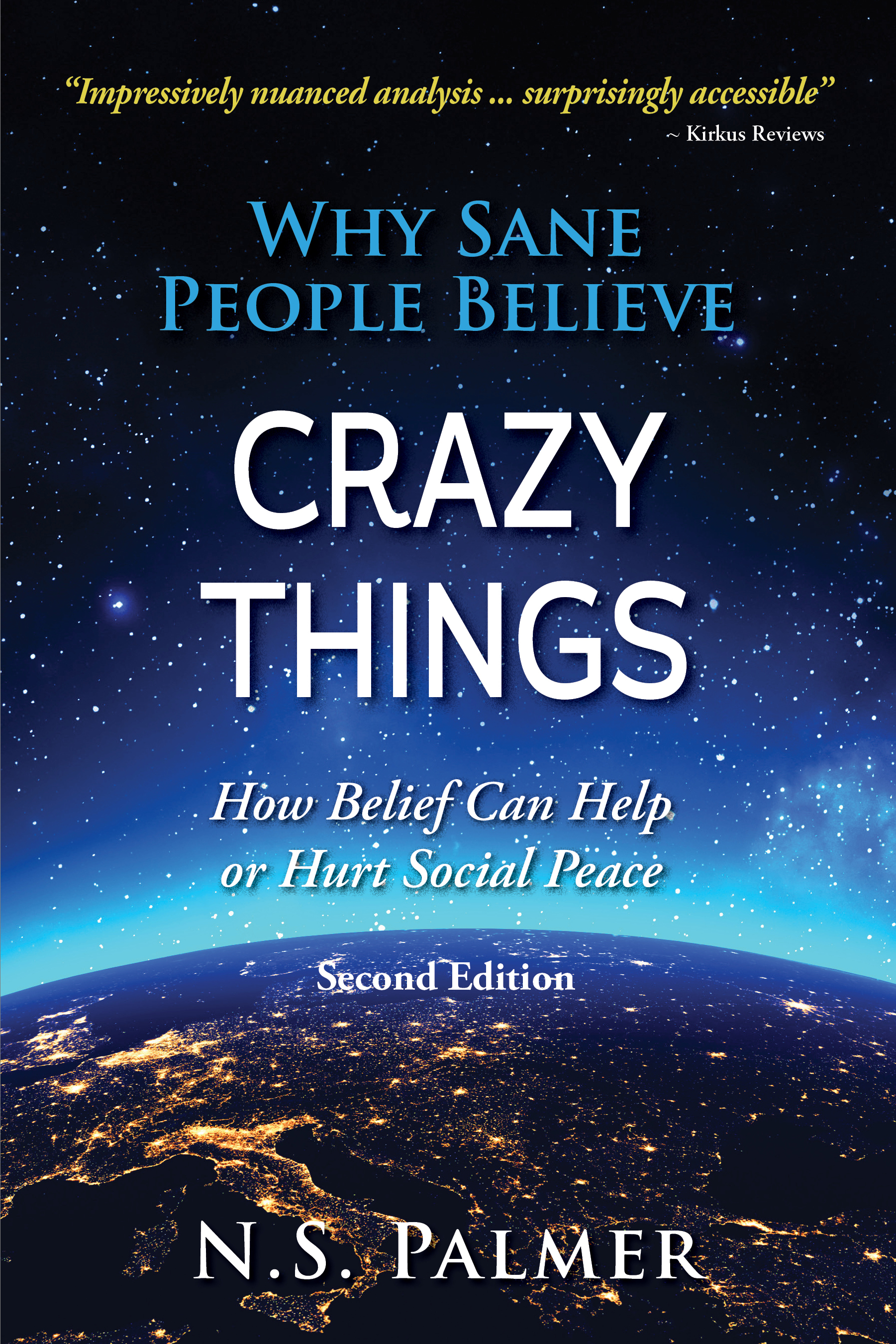
My new book Why Sane People Believe Crazy Things Second Edition helps you spot fallacies so they can’t fool you. Get your copy today!




 The Thousand-Year View